
Summary
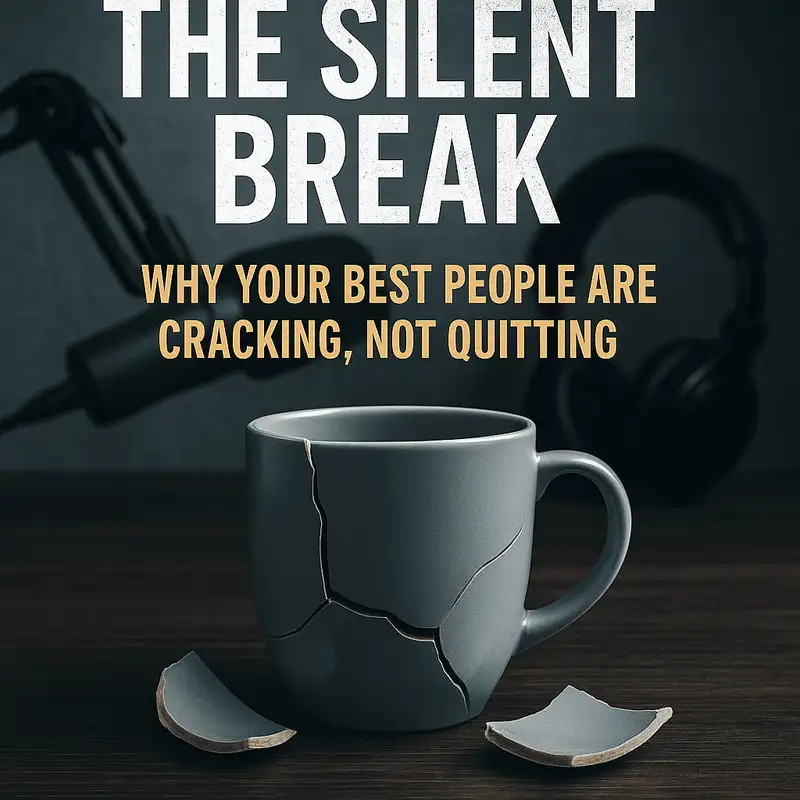
In this episode, João Pereira explores the concept of 'quiet cracking,' a silent form of disintegration that high performers experience while appearing to thrive. He contrasts this with burnout, emphasizing the neurological underpinnings of stress and performance. Through personal anecdotes and scientific insights, he provides actionable steps for leaders to identify and address quiet cracking in themselves and their teams, advocating for a shift towards sustainable performance and well-being in the workplace.
Takeaways
Resilience is often mistaken for high performance.
Quiet cracking is a silent form of disintegration.
High performers may be suffering internally while appearing fine.
Allostatic load refers to the wear and tear on the body from chronic stress.
Burnout is characterized by hypoarousal, while quiet cracking is hyperarousal.
Chronic stress can degrade the prefrontal cortex, affecting decision-making.
Leaders should conduct an 'Energy Leak Audit' to identify at-risk individuals.
Asking the right questions can reveal hidden stressors.
It's essential to create a safe environment for vulnerability.
Sustainable impact should be prioritized over mere performance.
Chapters
00:00 Understanding Quiet Cracking vs. Burnout
03:15 The Neuroscience Behind High Performance and Stress
08:18 Personal Experience: The Illusion of High Performance
10:35 Identifying and Addressing Quiet Cracking in Teams
In this episode, João Pereira explores the concept of 'quiet cracking,' a silent form of disintegration that high performers experience while appearing to thrive. He contrasts this with burnout, emphasizing the neurological underpinnings of stress and performance. Through personal anecdotes and scientific insights, he provides actionable steps for leaders to identify and address quiet cracking in themselves and their teams, advocating for a shift towards sustainable performance and well-being in the workplace.
Takeaways
Resilience is often mistaken for high performance.
Quiet cracking is a silent form of disintegration.
High performers may be suffering internally while appearing fine.
Allostatic load refers to the wear and tear on the body from chronic stress.
Burnout is characterized by hypoarousal, while quiet cracking is hyperarousal.
Chronic stress can degrade the prefrontal cortex, affecting decision-making.
Leaders should conduct an 'Energy Leak Audit' to identify at-risk individuals.
Asking the right questions can reveal hidden stressors.
It's essential to create a safe environment for vulnerability.
Sustainable impact should be prioritized over mere performance.
Chapters
00:00 Understanding Quiet Cracking vs. Burnout
03:15 The Neuroscience Behind High Performance and Stress
08:18 Personal Experience: The Illusion of High Performance
10:35 Identifying and Addressing Quiet Cracking in Teams